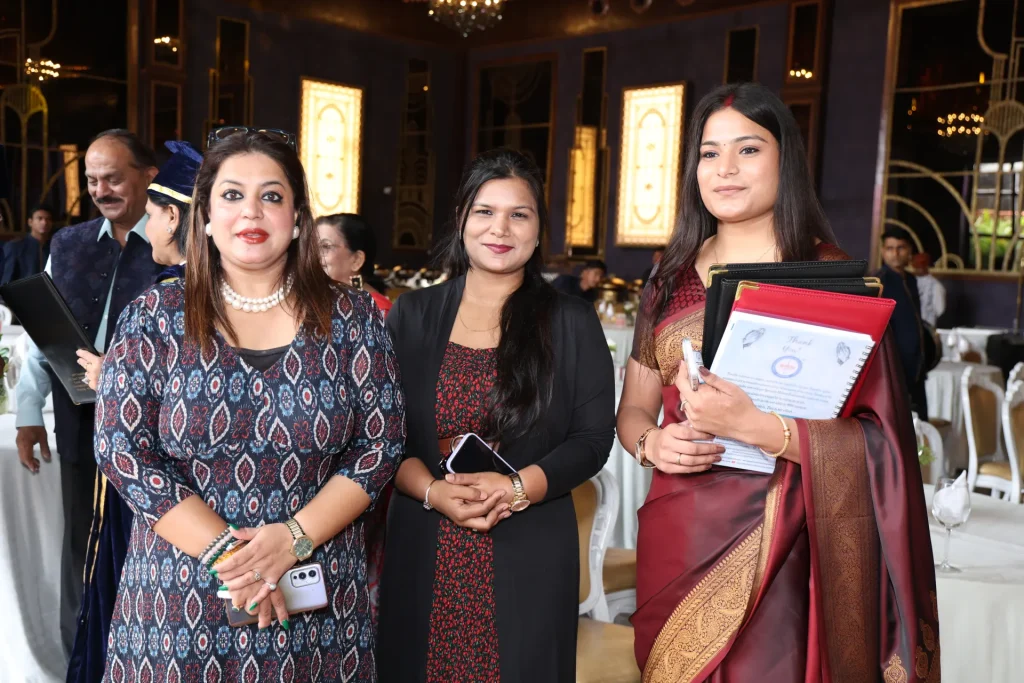

A successful business summit is more than a gathering of entrepreneurs and corporate professionals. It is an opportunity to exchange ideas, build meaningful business relationships, showcase innovation and recognise outstanding achievements. From leadership discussions and industry networking to prestigious award ceremonies, a well-planned business summit can create valuable experiences for businesses, professionals and organisations.
However, organising a professional business summit requires careful planning, the right audience, engaging speakers, effective event management and a well-structured programme.
Whether you are planning a corporate leadership summit, an entrepreneur networking event, an industry conference or a business excellence awards ceremony, understanding the key elements of event planning can help you create a successful experience.
In this guide, we explore how to plan a successful business summit in India and the important factors to consider before organising your next corporate event.
1. Define the Purpose and Objectives of Your Business Summit
The first step in business summit planning is to identify why you want to organise the event.
Every successful summit should have a clear purpose. Some organisations organise business summits to bring industry professionals together, while others focus on leadership development, investment opportunities, business networking or corporate recognition.
Before beginning the planning process, identify your main objectives:
- Connect entrepreneurs, business owners and corporate leaders.
- Encourage industry discussions and knowledge sharing.
- Create networking and collaboration opportunities.
- Showcase new business ideas, products and innovations.
- Recognise outstanding entrepreneurs and organisations.
- Promote brands through corporate partnerships and media exposure.
- Explore national and international business opportunities.
Having clearly defined objectives makes it easier to select the right event format, speakers, venue and audience.
2. Identify Your Target Audience
The audience plays an important role in determining the overall success of a business summit.
A summit designed for startup founders will have different requirements compared with a corporate leadership conference or an international business awards event.
Depending on your event objectives, your target audience may include:
- Entrepreneurs and startup founders
- CEOs, MDs and corporate directors
- Business owners and industry professionals
- Investors and business consultants
- Corporate executives and decision-makers
- Women entrepreneurs and emerging business leaders
- Industry associations and business organisations
- International delegates and business representatives
Understanding your audience helps create relevant discussions, meaningful networking sessions and better engagement throughout the event.
3. Select the Right Business Summit Format
Once your objectives and audience are clear, decide which type of summit will best serve your purpose.
Corporate Leadership Summits
These events bring together senior executives, business leaders and decision-makers to discuss leadership, business growth, organisational development and industry challenges.
Entrepreneurship and Startup Summits
Startup summits provide a platform for entrepreneurs, founders, investors and innovators to exchange ideas, discuss opportunities and build professional connections.
Business Networking Events
Networking-focused summits encourage participants to connect with potential partners, clients, investors and industry professionals.
Industry-Specific Conferences
These conferences focus on particular sectors such as real estate, healthcare, technology, education, manufacturing, finance and other industries.
Business Excellence Awards
Business awards ceremonies recognise outstanding achievements, leadership, innovation, entrepreneurship and contributions to different industry sectors.
Choosing the right format helps establish the identity and direction of your event.
4. Choose the Right Venue and Event Destination
The venue is one of the most important decisions when organising a business summit.
A professional venue should offer suitable seating arrangements, presentation facilities, networking spaces and convenient accessibility for delegates.
Consider the following factors before selecting your venue:
- Location and accessibility
- Auditorium or conference hall capacity
- Stage and presentation arrangements
- Audio-visual and lighting facilities
- Networking and exhibition spaces
- Hospitality and accommodation options
- Parking and transportation facilities
- Overall venue experience and branding opportunities
For national business summits, major business destinations such as Delhi NCR, Mumbai, Bengaluru, Hyderabad and other prominent cities can be considered.
For international business summits, destinations such as Dubai, Singapore, London and other global business centres may offer opportunities to engage with international business communities.
The final venue should align with your event objectives, audience size, schedule and budget.
5. Invite Industry Experts, Speakers and Business Leaders
Speakers and industry experts add value to a business summit by sharing their experiences, knowledge and professional insights.
A well-planned speaker lineup can make your programme more engaging and encourage meaningful discussions.
You may consider inviting:
- Successful entrepreneurs and business founders
- Corporate CEOs and senior executives
- Industry specialists and consultants
- Startup ecosystem leaders
- Investors and financial experts
- Leadership coaches and business strategists
- Technology and innovation professionals
- Distinguished public personalities
Consider including keynote presentations, interactive panel discussions, fireside chats and question-and-answer sessions.
The objective should be to provide attendees with relevant knowledge and useful perspectives rather than simply filling the event schedule.
6. Plan Meaningful Business Networking Opportunities
Business networking is one of the major reasons professionals attend corporate conferences and business summits.
A successful networking programme creates opportunities for participants to connect, exchange ideas and explore potential collaborations.
Some effective networking activities include:
- Dedicated business networking sessions
- One-to-one business meetings
- Industry-specific discussion groups
- Startup and investor interaction sessions
- Corporate exhibitions and brand showcases
- Networking lunches and gala dinners
- Business introduction and presentation sessions
Organisers should plan networking activities as part of the main event programme instead of treating them as an additional activity.
When participants have opportunities to interact with relevant professionals, the summit can become more valuable for everyone involved.
7. Include Business Awards and Recognition Ceremonies
Business awards can add a special dimension to a corporate summit by recognising individuals and organisations for their professional achievements.
An awards ceremony may celebrate entrepreneurial success, leadership, innovation, industry contributions and business excellence.
Some popular business award categories include:
- Entrepreneur of the Year
- Business Leader of the Year
- CEO of the Year
- Young Entrepreneur of the Year
- Woman Entrepreneur of the Year
- Best Emerging Company
- Business Excellence Award
- Most Innovative Company
- Excellence in Corporate Leadership
- Outstanding Industry Contribution
For a credible awards programme, establish transparent nomination requirements, eligibility criteria, evaluation procedures and communication guidelines.
Award recognition should be based on clearly defined criteria. Participation, nomination or sponsorship should never be presented as a guarantee of winning an award.
8. Focus on Event Branding, Promotion and Media Exposure
Promoting a business summit is essential for attracting the right audience, speakers, sponsors and business partners. A consistent marketing strategy can help generate awareness before the event and maintain engagement afterwards.
Website and Landing Pages
Create a dedicated event page with programme details, speakers, registration information and contact options.
Social Media Marketing
Use LinkedIn, Instagram, Facebook and other relevant platforms to share event announcements, speaker introductions and important updates.
Email Marketing
Reach potential delegates, corporate organisations and business communities through targeted email communication.
Media and PR
Explore press releases, media partnerships, interviews and event coverage to increase visibility.
Corporate Partnerships
Collaborate with business associations, industry groups, brands and relevant organisations.
Event Photography and Videography
Capture important moments, speaker sessions, networking activities and award presentations for post-event communication.
The promotional strategy should reflect the event’s audience, objectives and available marketing resources.
9. Manage Event Production and On-Ground Coordination
Even a well-designed business summit requires effective execution.
Event production involves coordinating multiple elements to ensure that the programme runs according to the agreed schedule.
Important event management requirements include:
- Stage design and event branding
- Sound, lighting and LED screen arrangements
- Delegate registration and welcome desks
- Speaker and guest coordination
- Presentation and programme management
- Photography and videography
- Hospitality and guest management
- Technical rehearsals and event-day coordination
- Backup arrangements for important event requirements
A dedicated event management team can help coordinate these responsibilities and maintain communication between vendors, speakers, sponsors and organisers.
10. Build Strategic Sponsorship and Partnership Opportunities
Sponsorships and partnerships can support the event financially while offering participating brands opportunities for visibility and engagement.
A well-structured sponsorship proposal should clearly explain the event concept, target audience, promotional opportunities and partnership deliverables.
Common sponsorship categories include:
- Title Sponsor
- Presenting Sponsor
- Platinum Sponsor
- Gold Sponsor
- Silver Sponsor
- Associate Sponsor
- Media Partner
- Knowledge Partner
- Industry Partner
- Exhibition Partner
Potential sponsor benefits may include logo placement, agreed promotional visibility, exhibition opportunities, networking access and speaking opportunities where included in the partnership agreement.
The sponsorship proposal should clearly define the benefits, responsibilities and deliverables associated with each partnership level.
11. Measure the Success of Your Business Summit
The success of a business summit should be evaluated beyond attendance numbers.
After the event, review the results against your original objectives.
Some important performance indicators include:
- Number of registered and attending delegates
- Speaker and participant engagement
- Business networking interactions
- Sponsor and partner satisfaction
- Media coverage and brand visibility
- Social media reach and engagement
- Feedback from attendees
- Business enquiries and collaboration opportunities
Post-event reporting helps identify what worked well and what can be improved in future editions.
Why Choose a Professional Business Summit Organiser?
Organising a business summit involves several interconnected responsibilities, from initial planning and venue coordination to speaker management, event production, branding and guest experience.
Working with an experienced event management partner can help businesses coordinate these activities through a structured process.
A professional event partner can assist with:
- Summit concept development and event planning
- Corporate conference and leadership event coordination
- Speaker and guest management
- Award ceremony planning and execution
- Stage design and technical production
- Sponsorship and brand partnership coordination
- Event branding and promotional activities
- Media coverage and post-event content
The right event partner should understand your objectives, audience, programme requirements and budget before recommending an event solution.
Plan Your Next Business Summit with Apex Media & Event Pvt. Ltd.
At Apex Media & Event Pvt. Ltd., we bring businesses, entrepreneurs, industry leaders and brands together through Business & Awards Summits, corporate events and recognition programmes.
Our approach focuses on understanding the purpose of each event and shaping the programme around its audience, destination and business objectives.
From leadership forums and professional networking to award presentations, corporate branding and partnership participation, we coordinate event experiences around the agreed requirements.
Whether you are planning a business summit in India, a corporate leadership conference, an entrepreneur networking event or an international awards programme, our team can discuss the right approach for your requirements.
Looking to organise your next business summit or awards ceremony?
Connect with Apex Media & Event Pvt. Ltd. to discuss your event concept, preferred destination, audience and programme requirements.
Let’s bring your business vision to the stage!
Website: https://apexmediaevent.com/
Business & Awards Summits: https://apexmediaevent.com/business-awards/
Phone: +91 99116 21237
Email: info@apexmediaevent.com
Frequently Asked Questions About Business Summit Planning
- How do you plan a business summit in India?
Start by defining your objectives, identifying the target audience, selecting the event format, finalising the venue, inviting speakers and preparing a detailed programme. You should also plan networking activities, sponsorships, event promotion and on-ground coordination.
- What is the purpose of a business summit?
A business summit brings entrepreneurs, corporate leaders, investors and industry professionals together to exchange knowledge, discuss industry developments, build business relationships and explore collaboration opportunities.
- What is the difference between a business summit and a corporate conference?
A business summit generally focuses on broader industry discussions, leadership, networking and business opportunities. A corporate conference may focus on specific organisational objectives, internal communication, training, strategy or industry-related topics.
- How much does it cost to organise a business summit in India?
The cost depends on the venue, city, number of delegates, event duration, production requirements, speaker arrangements, hospitality and promotional activities. A customised budget should be prepared according to the event scope.
- What activities can be included in a business summit?
A business summit may include keynote speeches, leadership discussions, panel sessions, networking meetings, corporate exhibitions, brand showcases, award presentations and gala dinners.
- How can companies participate in business awards?
Companies can explore award nomination opportunities, review the eligibility criteria and submit the required business information and supporting documents through the event organiser’s announced application process.
- Can business summits be organised internationally?
Yes. Business summits can be planned at international destinations depending on the event objectives, venue availability, travel requirements, logistics and budget.
- How can I find a business summit organiser in India?
Look for an event partner with relevant corporate event planning capabilities, clear communication, production coordination, speaker management and an understanding of your event objectives. Review their service offerings and discuss your requirements before making a decision.